ATS · 5 min read
Do ATS systems actually reject resumes?
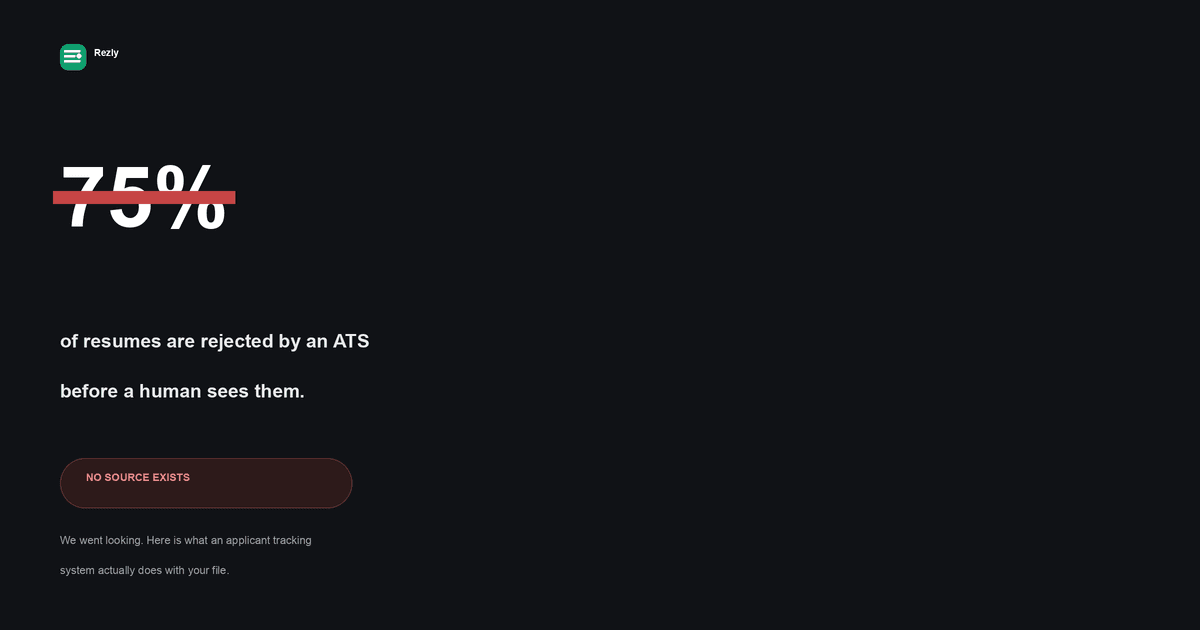
The 75% statistic everyone repeats has no research behind it. Here's what an applicant tracking system really does with your resume, and what actually filters you out.
Most job-search advice is written to sell something, which is why so much of it is about robots. These are the things we're confident enough about to put our name on.
The 75% statistic everyone repeats has no research behind it. Here's what an applicant tracking system really does with your resume, and what actually filters you out.
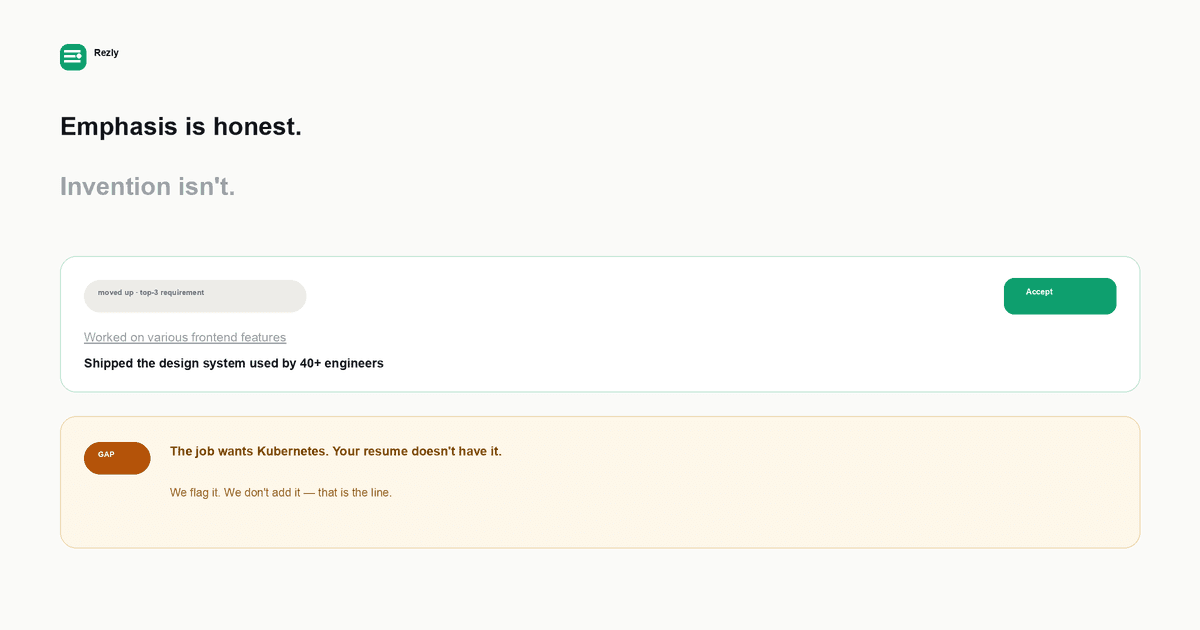
Emphasis is honest. Invention isn't. The line between them is sharper than most advice admits, and there's a simple test for which side you're on.
The ATS resume format rules for Indian job portals, which local conventions to drop, and why the photo at the top of your resume costs you more than it gains.
Because most of it is written by someone selling a fix. The claim that applicant tracking systems automatically reject three-quarters of resumes has no study behind it, but it sells scanners. The claim that a particular font or template beats the machines sells templates. Once a frightening number is in circulation it gets cited by articles that cite each other, and after a few years it reads as established fact. The test we apply before publishing anything here is whether we can trace a claim to something checkable and whether we would still say it if it hurt our own product. Some of what follows does: parsing matters less than the industry pretends, keyword matching is largely a myth, and there are jobs where the honest advice is not to bother applying.
A person, in five to twenty seconds, looking for four things: your current title and level, the skills this specific job needs, roughly how much experience you have, and whether the shape of your background makes sense for the role. If those are not obvious near the top of the first page you are out — not rejected by software, just not selected by someone with sixty more to get through. This is why tailoring works and why it works for reasons that have nothing to do with beating machines. The software layer matters only in that it can fail to read you at all, which is a structural problem with a ten-minute fix: one column, standard headings, no text trapped in graphics. Everything else worth doing is aimed at the human skim, and almost all of it comes down to putting the relevant true things where they will be seen first.